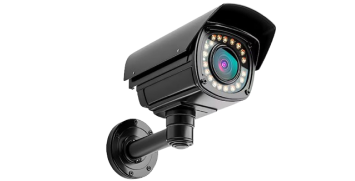

WiFi Camera vs CCTV Camera
Choosing between a WiFi camera and a traditional CCTV camera depends on your security needs, property size, and budget. Both options offer reliable surveillance, but they differ in installation, connectivity, storage, and long-term performance.
WiFi cameras are easy to install and connect wirelessly to your home or office network. They are ideal for apartments, small homes, rental properties, and indoor monitoring where running cables is difficult. Most WiFi cameras support mobile viewing, motion detection, two-way audio, cloud storage, and instant notifications, making them a convenient choice for everyday security.
Traditional CCTV cameras, including HD and IP systems, are designed for continuous 24/7 monitoring. They are connected to a DVR or NVR using cables, providing a more stable and reliable recording system. CCTV cameras are well suited for large homes, offices, shops, factories, warehouses, and commercial buildings where uninterrupted surveillance is essential.
In terms of video quality, both WiFi and modern CCTV cameras can deliver high-definition footage. However, wired CCTV systems generally offer more consistent performance because they are not affected by weak WiFi signals or network interruptions. They also provide larger storage capacity and better long-term recording capabilities.
When comparing costs, WiFi cameras usually have a lower initial installation cost because they require less wiring. However, cloud storage subscriptions may increase long-term expenses. Wired CCTV systems may cost more to install but often provide better value for larger properties due to local storage and greater reliability.
If you need a simple, flexible, and smart security solution for a small space, a WiFi camera is an excellent option. If your priority is maximum reliability, continuous recording, and complete coverage for larger properties, a wired CCTV system is the better investment. Understanding your surveillance requirements will help you choose the solution that provides the best balance of security, convenience, and cost.